






Learn more about erectile dysfunction through the following article to understand its causes, recognize the condition early, and find appropriate treatment solutions.
WHAT IS A URINARY EXAMINATION WHERE TO GET IT
-
Author: BỆNH VIỆN ĐA KHOA QUỐC TẾ NAM SÀI GÒN
-
 12/04/2023
-
 7,226
7,226
In Vietnam, urological diseases are becoming increasingly common, especially among men and older adults.

In Vietnam, urological diseases are becoming increasingly common, especially among men and older adults. Numerous studies have reported a continuous rise in the incidence of kidney stones, urinary tract infections, and benign prostatic hyperplasia, with the majority of men over the age of 50 being at high risk of developing these conditions. The main contributing factors include a sedentary lifestyle, unhealthy dietary habits, and neglect of regular health check-ups.
With professional review by Dr. Quach Tuan Khang from the Department of Urology, Nam Sai Gon International General Hospital, the following article provides detailed information on the urological examination process and common diagnostic tests, helping you feel confident when choosing urological healthcare services.
WHAT IS A URINARY EXAMINATION WHERE TO GET IT

1. What does a urological examination include?
A urological examination is a comprehensive assessment of the urinary system, including the kidneys, ureters, bladder, urethra, and the prostate (in men). Its primary goal is the early detection and timely treatment of conditions such as infections, kidney stones, kidney failure, or cancer.
This process is also referred to as a renal or urinary tract examination and typically includes the following main components:
1.1 Kidney examination

The kidneys are considered the body’s primary “filter,” so assessing kidney health is always a priority. The doctor will begin by asking about symptoms such as lower back pain, cloudy urine, or swelling. You may then be advised to undergo the following tests:
-
Blood tests: Measuring creatinine and urea levels to evaluate the kidneys’ filtering function. Abnormal results may indicate kidney failure or toxin accumulation.
-
Urinalysis: Checking for the presence of protein, blood, or bacteria, which helps detect infections or kidney stones.
-
Kidney ultrasound: This non-invasive method allows the doctor to assess the shape and size of the kidneys and identify stones or tumors.
If there are serious concerns, the doctor may recommend a CT scan for a more detailed evaluation. This advanced imaging technique helps detect kidney stones, tumors, or abnormalities that may be difficult to identify on ultrasound. The procedure is quick and safe, with medical staff providing thorough guidance to help ensure your comfort and peace of mind.
1.2 Bladder examination
This is an important step in a urological evaluation, as the bladder is responsible for storing and expelling urine. Therefore, assessing the health of this organ is essential in the urological examination process. The doctor will ask about common symptoms such as frequent urination, painful urination, or a constant urge to urinate. Bladder evaluation may include:
-
Clinical examination: The doctor gently presses on the lower abdomen to assess the size and tenderness of the bladder.
-
Cystoscopy: A cystoscope is used to visualize the inside of the bladder and detect inflammation, stones, or tumors. This procedure is performed under local anesthesia and is considered very safe.
-
Urine flow test (uroflowmetry): Measures the speed and volume of urine flow to evaluate bladder function, especially useful when obstruction is suspected.
These tests help detect bladder infections or cancer at an early stage, allowing the doctor to recommend timely and appropriate treatment.

1.3 Urethral examination
The urethra is the channel through which urine exits the body, and any abnormality in this structure can significantly affect health. During the examination, the doctor will ask about symptoms such as painful urination, blood in the urine, or abnormal discharge. The urethral assessment may include:
-
External examination: Visual inspection of the urethral opening to detect signs of inflammation or injury.
-
Urinalysis: Checking for bacteria or abnormal cells, especially when an infection is suspected.
-
Urethroscopy: When necessary, the doctor uses an endoscope to closely examine the urethra, helping diagnose urethral strictures or tumors.
This procedure is usually quick, causes minimal discomfort, and helps reassure patients about their urethral health.
1.4 Prostate examination (for men)

In men, prostate examination is an essential part of the urological evaluation, especially for those in middle age and older. The doctor typically asks about symptoms such as difficulty urinating, frequent nighttime urination, or pelvic pain. Key assessments include:
-
Digital rectal examination (DRE): The doctor uses a gloved finger to assess the size and texture of the prostate through the rectum. This is a simple yet effective method for detecting enlargement or tumors.
-
PSA test: Measures the level of prostate-specific antigen in the blood to screen for prostate cancer.
-
Ultrasound or biopsy: If abnormalities are suspected, transrectal ultrasound or a biopsy may be performed to confirm the diagnosis.
Although it may cause some embarrassment, this step is essential for protecting men’s health and for the early detection of prostate cancer.
1.5 General health assessment
A urological examination does not focus solely on the urinary system but also includes an evaluation of overall health, as many other conditions can affect the kidneys and urinary tract. Common assessments include:
-
Blood pressure and heart rate measurement: To assess cardiovascular health, as hypertension is closely associated with kidney failure.
-
X-ray or CT imaging: To evaluate spinal structures or detect extensive kidney stones.
-
Comprehensive physical examination: Assessment of the respiratory, digestive, and endocrine systems to rule out underlying conditions such as diabetes, which can impact kidney function.
This comprehensive approach allows physicians to gain an overall understanding of the patient’s health and ensures that no factors affecting the urinary system are overlooked.
2. When should you see a urologist?
According to doctors from the Department of Urology at Nam Sai Gon International General Hospital, patients should seek medical evaluation promptly if they experience any of the following abnormal signs:
-
Kidney-related symptoms: Dull pain in the lower back, swelling in the legs, or blood in the urine. These signs may be associated with kidney stones, infections, or impaired kidney function.
-
Bladder-related symptoms: Painful urination, frequent urination, or a constant urge to urinate may indicate a bladder infection.
-
Urethral-related symptoms: Pain during urination, abnormal discharge, or foul-smelling urine may signal an infection or urethral stricture.
-
Prostate-related symptoms: Men, especially those over the age of 50, should seek urological evaluation if they experience difficulty urinating, frequent nighttime urination, or pelvic pain. These may be signs of benign prostatic hyperplasia.
Timely medical examination when these symptoms appear helps ensure early detection, effective treatment, and prevention of serious complications.

3. Where should you go for a urological examination in Ho Chi Minh City?
The examination and treatment of urological conditions require high accuracy and specialized expertise to ensure patient safety. In Ho Chi Minh City, choosing a reputable medical facility plays a crucial role in the early detection and timely treatment of kidney, urinary tract, and men’s health conditions. So, which is the most reliable place for urological care?

The Department of Urology at Nam Sai Gon International General Hospital is one of the leading and most trusted destinations for urological care. With a team of highly experienced, dedicated urologists who continuously update and apply advanced medical techniques, the hospital has successfully treated thousands of patients with conditions such as:
-
Kidney stones, ureteral stones, and bladder stones
-
Urinary tract infections and prostatitis
-
Benign prostatic hyperplasia, bladder cancer, and prostate cancer
-
Men’s health issues such as erectile dysfunction and male infertility
Nam Sai Gon International General Hospital is one of the few medical institutions that has mastered complex minimally invasive surgical techniques, offering outstanding benefits such as reduced pain, shorter recovery time, and optimized treatment outcomes.
Notable procedures include laparoscopic surgery for kidney tumors, bladder tumors, and prostate conditions; urethral and bladder reconstructive surgery; cystectomy with intestinal bladder reconstruction; extracorporeal shock wave lithotripsy (ESWL); endoscopic removal of kidney, ureteral, and bladder stones; as well as endoscopic resection of benign prostatic hyperplasia using laser or bipolar electrosurgery.
In addition, the hospital is equipped with advanced diagnostic imaging systems such as the Siemens 64-slice CT scanner, the Siemens Magnetom Amira 1.5 Tesla MRI, and modern endoscopic systems, enabling physicians to accurately assess medical conditions from an early stage.
Beyond medical expertise, Nam Sai Gon International General Hospital places strong emphasis on patient experience, offering spacious outpatient clinics, comfortable inpatient wards, a dedicated rehabilitation area, and a well-structured postoperative care process. These elements help patients recover quickly and feel secure throughout their treatment journey.
If you are looking for a reputable urology clinic in Ho Chi Minh City, the Department of Urology at Nam Sai Gon International General Hospital is the ideal choice for protecting your urinary health and improving your quality of life.
Nam Sai Gon International General Hospital
No. 88, Street No. 8, Trung Son Residential Area, Binh Hung Commune, Ho Chi Minh City.
Hotline: 18006767
info@nih.com.vn
Last updated: 15:29 15/01/2026
References

1. Mayo Clinic | Urology.
https://www.mayoclinic.org/departments-centers/urology/sections/tests-procedures/orc-20336022
2. Byram Healthcare | Commonly Performed Urology Tests | May 06,2019.
https://www.byramhealthcare.com/blogs/commonly-performed-urology-tests
3. Johns Hopkins Medicine | Diagnosis and Screening of Urologic Conditions.
https://www.hopkinsmedicine.org/health/treatment-tests-and-therapies/diagnosis-and-screening-of-urologic-conditions


News relate to


Articles on the same topic

SAVING A FOOT WITH A SEVERED ARTERY AFTER A SERIOUS ACCIDENT BY A LAWN MOWER
Not only did the doctors at Nam Sai Gon International General Hospital save the patient’s foot after the accident, but they also promptly detected a silently progressing kidney injury that could have been life-threatening. Saving patients from the Grim Reaper A sudden accident struck 61-year-old Mr. C.K when he collided with a lawnmower, causing a […]

BLADDER RECONSTRUCTION USING SMALL INTESTINE: IMPROVING QUALITY OF LIFE FOR BLADDER CANCER PATIENTS
Thanks to advancements in modern medicine, many bladder cancer patients can now be effectively treated through laparoscopic radical cystectomy followed by neobladder reconstruction. This is a highly specialized and complex urological procedure that not only removes the cancer completely but also helps restore quality of life. According to Dr. Le Van Hieu Nhan, Specialist Level […]

BLOOD IN URINE LEADS TO BLADDER CANCER DIAGNOSIS IN MALE PATIENT
Bladder cancer often develops silently and is commonly discovered during evaluations for hematuria (blood in urine). When diagnosed early, bladder cancer has a high cure rate and favorable prognosis. However, due to hesitation or discomfort with urological check-ups, many patients delay medical visits, resulting in late-stage detection and more complex treatment. Blood in urine leads […]
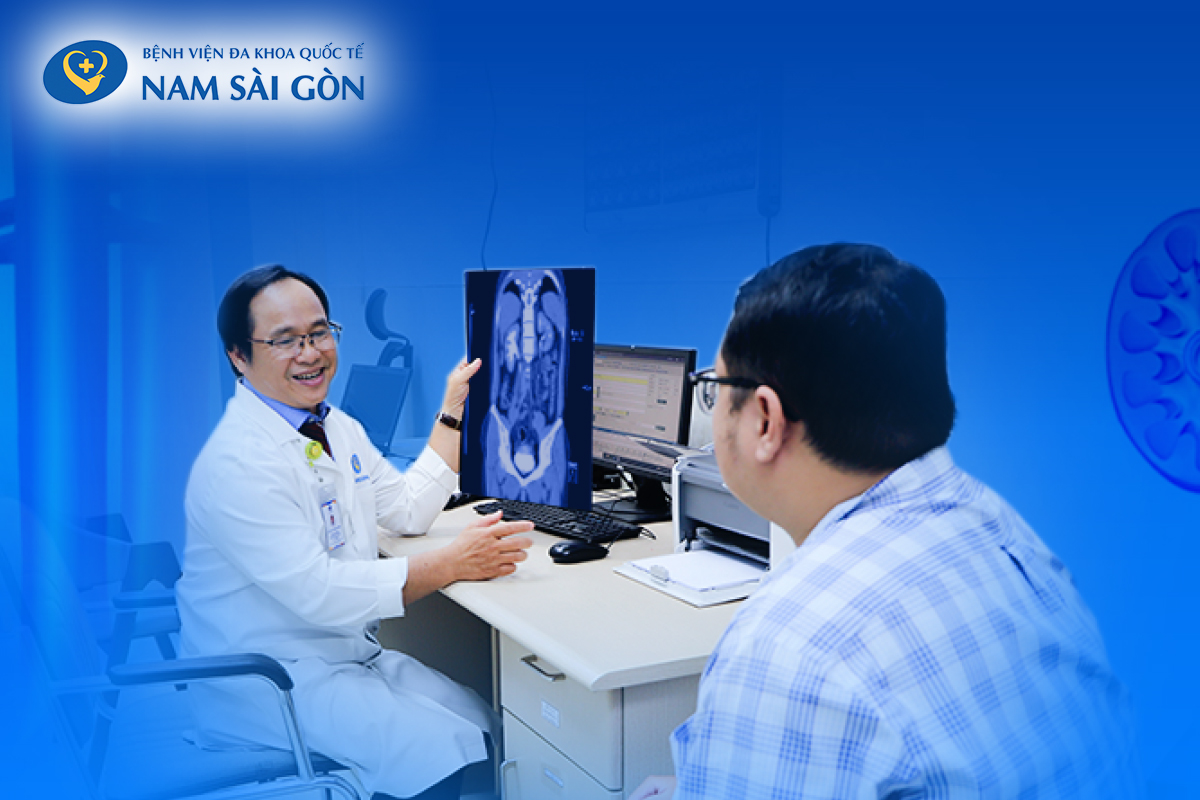
ABDOMINAL PAIN LEADS TO DIAGNOSIS OF MALIGNANT KIDNEY TUMOR
A man experiencing prolonged abdominal discomfort recently discovered he had a malignant tumor in his kidney. Thanks to timely medical intervention, doctors at Nam Sai Gon International General Hospital successfully removed a 2-kg renal tumor through surgery. ABDOMINAL PAIN LEADS TO DIAGNOSIS OF MALIGNANT KIDNEY TUMOR Mr. E.C., 66 years old, presented with persistent dull […]
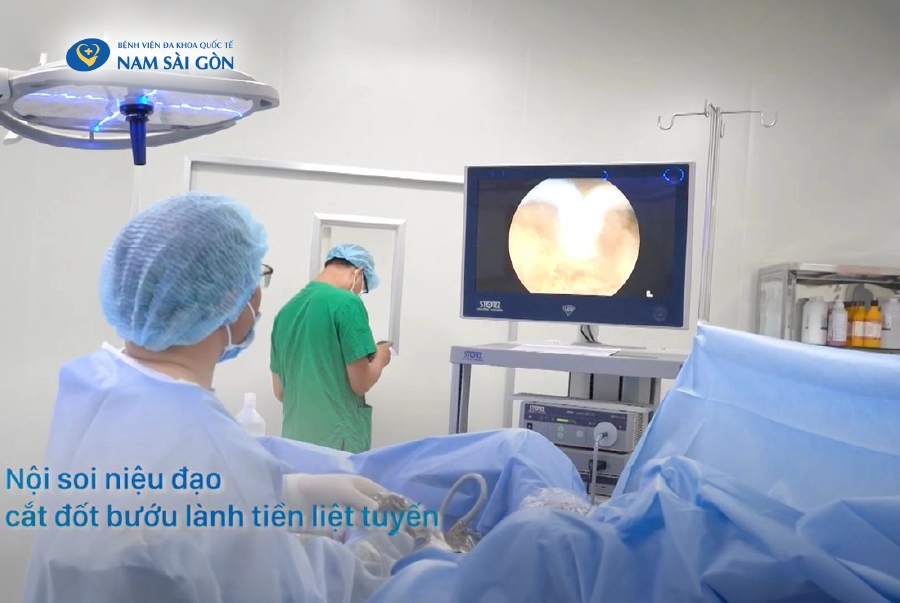
URETHROLASIA OF LARGE BENIGN PROSTATE TUMOR WITH BIPOLAR KNIFE FOR 72-YEAR-OLD MAN
Urinary Retention, Frequent Urination, and Hematuria Over a Long Period — Warning Signs of an Enlarged Prostate Tumor After experiencing persistent urinary retention, frequent urination, and blood in the urine for an extended period, Mr. L.T (72 years old) sought medical examination at Nam Sai Gon International General Hospital. During evaluation, Dr. Le Van Hieu […]
