



MOBILITY RECOVERY FOR PATIENTS WITH WEAK LIMBS DUE TO HIGH CERVICAL SPINE LABORATORY
-
Author: BỆNH VIỆN ĐA KHOA QUỐC TẾ NAM SÀI GÒN
-
 06/07/2023
-
 225
225

Three months before hospital admission, patient S. (60 years old, Cambodian nationality) began to experience weakness in all four limbs. She visited a local hospital, where a lesion in the occipital–cervical region was detected. She was treated with medication combined with physical therapy and rehabilitation.
After two months of treatment at the local hospital, her condition did not improve. Over the past month, the patient developed severe pain, was unable to walk, and could hardly move her head and neck. She constantly needed assistance to lift and support her head upward and backward. Realizing the seriousness of her condition, her family transferred her to Nam Sai Gon International General Hospital for further treatment.
After completing the necessary clinical and paraclinical tests, doctors determined that the patient had high cervical spine injury, suspected to be caused by tuberculosis, resulting in spinal cord compression. The Neurosurgery – Spine Department at Nam Sai Gon International General Hospital decided to perform two consecutive surgical procedures to restore the patient’s mobility.
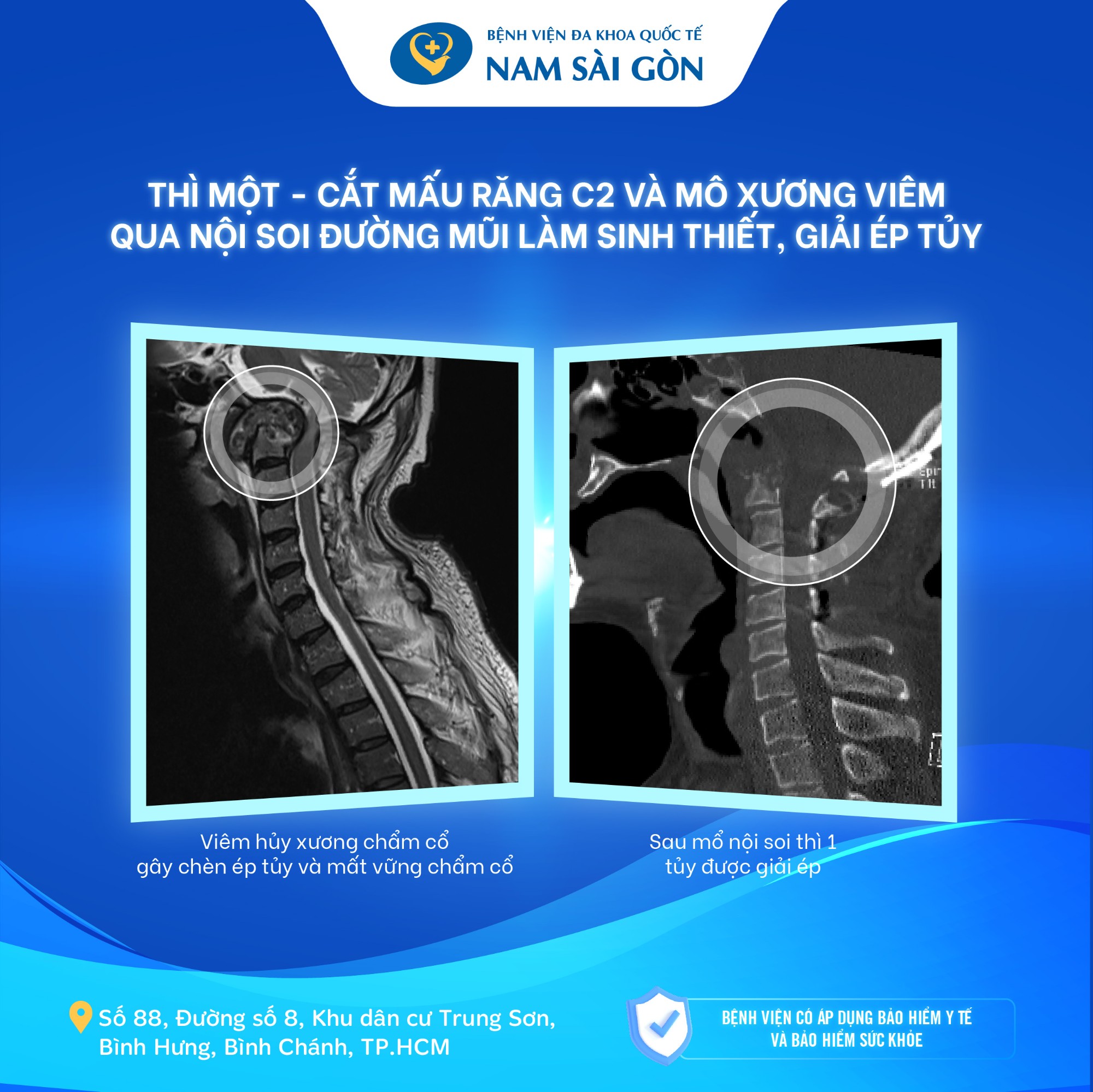
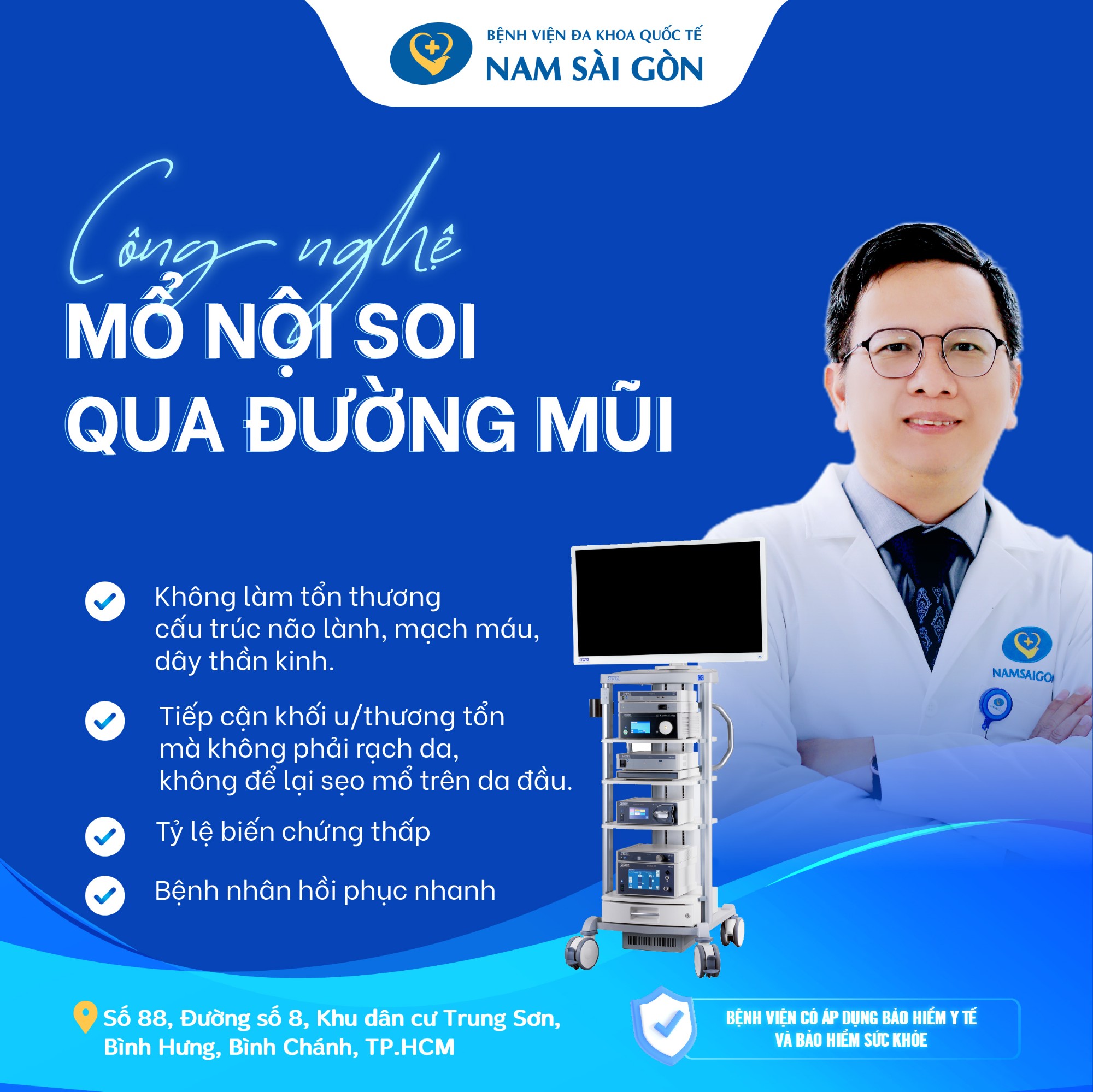
In the past, resecting the C2 odontoid process and inflamed bone tissue through a transoral microscopic approach was extremely challenging and required cutting through multiple anatomical structures. Today, at Nam Sai Gon International General Hospital, with the support of advanced equipment—such as navigation systems, high-speed drills, hemostatic glue, hemostatic patches, and endoscopic technology—the procedure has become significantly easier and more effective.
After just one day, the patient was able to eat and drink normally by mouth and experienced minimal postoperative pain.
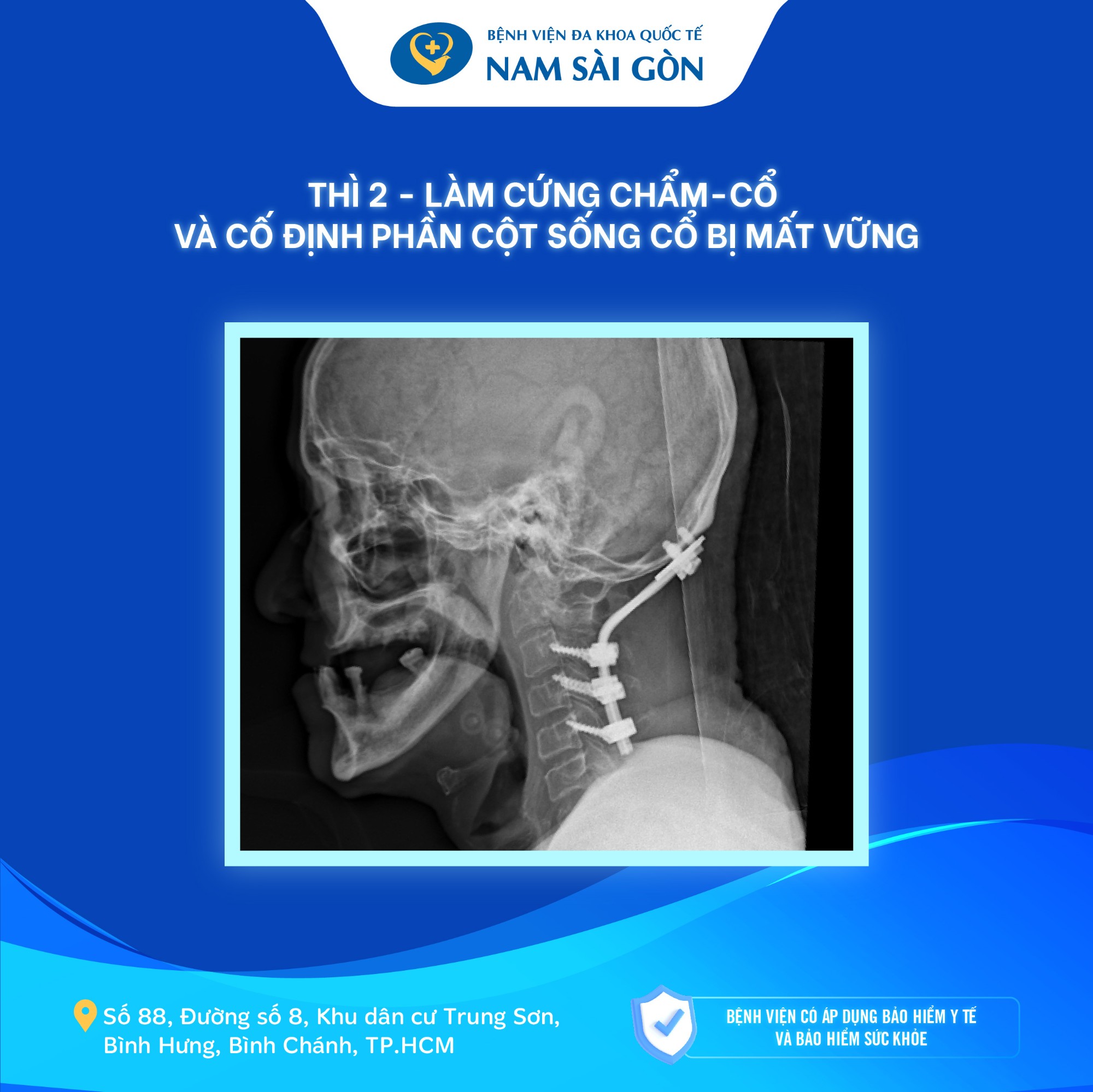
Stage 2 – Occipitocervical fusion and stabilization of the unstable cervical spine segment
In the second stage, the patient underwent an open surgery to stabilize the cervical spine, which had become unstable following the first procedure. One day after surgery, the patient was already able to sit up. After one week, she took her first steps and was discharged from the hospital.
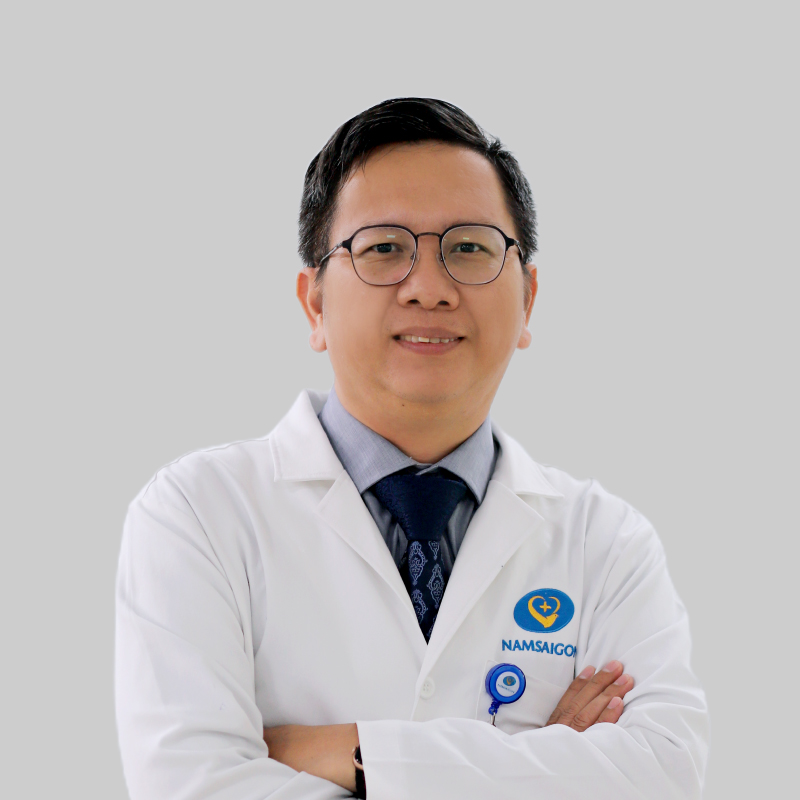
Dr. Le Kham Tuan, PhD – Head of Neurosurgery & Spine Department and the primary surgeon for patient S., stated:
“This is a rare case involving extensive tuberculosis-related damage at the C1–C2 cervical spine. The infection caused severe bone destruction leading to atlanto-occipital dislocation and significant spinal cord compression at the cervical level. Without timely surgical intervention, the patient was at high risk of permanent quadriplegia. For such complex surgeries, a high level of surgical expertise is required, and the operating room must be equipped with advanced technology to maximize the likelihood of success.”
For patients experiencing numbness, weakness, or paralysis of the limbs, it is essential to seek medical evaluation and treatment promptly to avoid severe damage and lifelong complications.
Nam Sai Gon International General Hospital
No. 88, Street No. 8, Trung Son Residential Area, Binh Hung Commune, Ho Chi Minh City.
Hotline: 18006767
info@nih.com.vn
Last updated: 10:21 05/12/2025