



With improvements in lifestyle and living conditions, hypertension is increasingly affecting younger populations. Managing and controlling hypertension may seem simple but is often challenging. Beyond medical treatment prescribed by physicians, the patient plays a decisive role in improving and maintaining blood pressure control and overall quality of life.
High Blood Pressure Diet – Foods to Eat
-
Author: BỆNH VIỆN ĐA KHOA QUỐC TẾ NAM SÀI GÒN
-
 03/02/2020
-
 208
208
Hypertension is a common disease, especially among older adults. It is also one of the leading causes of death or disability among cardiovascular diseases.

Hypertension is a common disease, especially among older adults. It is also one of the leading causes of death or disability among cardiovascular diseases.
What Is Hypertension?
Hypertension (high blood pressure) is a chronic, non-communicable disease that is increasingly affecting younger populations. In addition to medication, lifestyle and nutrition play a crucial role in maintaining stable blood pressure control.
| Classification | Systolic blood pressure (SBP: mmHg) | Diastolic blood pressure (DBP: mmHg) |
| Optimal blood pressure | < 120 | < 80 |
| Normal blood pressure | < 130 | <85 |
| High-normal blood pressure | 130 – 139 | 85 – 89 |
| Grade 1 hypertension (mild) | 140 – 159 | 90 – 99 |
| Grade 2 hypertension (moderate) | 160 – 179 | 100 – 109 |
| Grade 3 hypertension (severe) | ≥ 180 | ≥ 110 |
| Isolated systolic hypertension | ≥ 140 | ≥ 90 |
What Are the Risk Factors?
Risk factors for hypertension include excessive salt intake (more than 6 g/day). In Vietnam, people commonly have a habit of consuming a high-salt diet (often more than 20 g/day). In addition, the use of stimulants such as alcohol, coffee, strong tea, and tobacco also contributes to high blood pressure.
Age and body weight are also important factors to consider. People with underlying conditions such as diabetes or chronic kidney disease are at higher risk of developing hypertension.
What Complications Can Hypertension Cause?
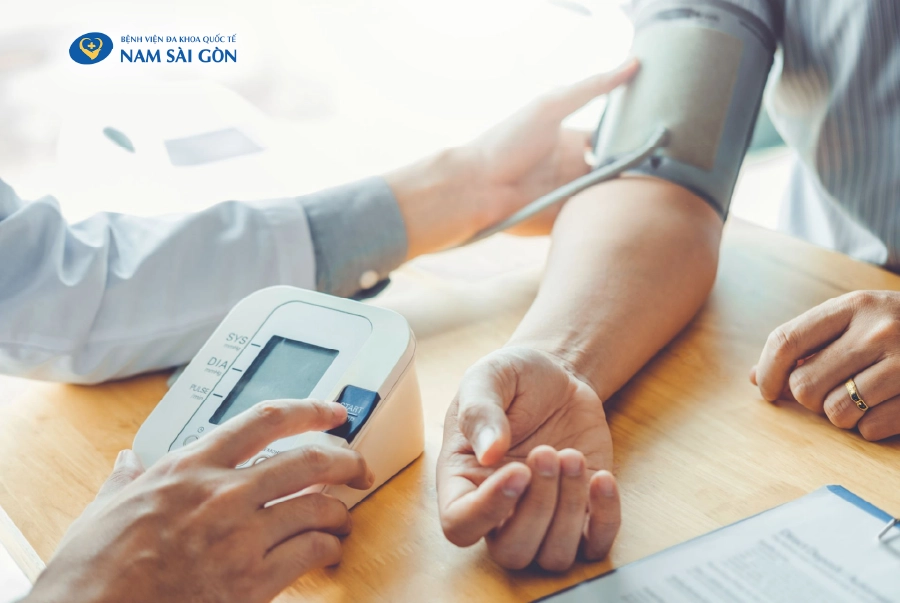
Hypertension affects four main organs: the eyes, brain, heart, and kidneys. If blood pressure is not well controlled, it can lead to serious complications such as heart failure, kidney failure, stroke, and blindness.
What Are the Principles of Hypertension Treatment?
Because hypertension is a chronic condition, it requires long-term management. In addition to taking medications regularly and attending periodic follow-up visits, proper nutrition and lifestyle modification are essential. According to recommendations from the World Health Organization (WHO), adults should engage in at least 30 minutes of physical activity per day, on at least 5 days per week. Maintaining a body mass index (BMI) between 18 and 22 is considered optimal. In addition, managing stress in both work and daily life is important. Smoking should be strictly avoided, as it is a major cause of many serious diseases.
Dietary Considerations for Patients with Hypertension
-
Reduce salt intake in daily meals; limit eating out and avoid canned or packaged foods.
-
Limit stimulants such as alcohol, tobacco, strong tea, and coffee.
-
During meal preparation, reduce the use of monosodium glutamate (MSG) and seasoning powders, as these are often used as substitutes for salt. Also, limit the use of salty dipping sauces during meals.
-
Avoid processed foods such as instant noodles, sausages, salted fish, dried foods, and pickled vegetables.
-
Increase intake of fruits, vegetables, whole grains, and nuts (such as walnuts, almonds, and chestnuts). Green tea, soybean water, and vegetable broth may be consumed as they have mild diuretic, calming, and blood pressure–lowering effects.
-
Supplement calcium through milk and dairy products, preferably low-fat and unsweetened options.
-
Choose white meat (such as chicken or pork) or lean meat; avoid eating skin and organ meats.
-
Limit animal fats and use vegetable oils instead (such as soybean oil or peanut oil).
-
Increase fish consumption to at least three times per week, as fish oil contains omega-3 fatty acids, which are beneficial for cardiovascular health.
Nam Sai Gon International General Hospital
No. 88, Street No. 8, Trung Son Residential Area, Binh Hung Commune, Ho Chi Minh City.
Hotline: 18006767
info@nih.com.vn
Last updated: 16:23 15/01/2026


References

Trung tâm Y tế Quận 3