



Heart failure – Symptoms and causes
-
Author: BỆNH VIỆN ĐA KHOA QUỐC TẾ NAM SÀI GÒN
-
 15/09/2022
-
 2,781
2,781

Heart failure can occur when the heart is too weak or unable to contract effectively to pump enough blood to the rest of the body.

Heart failure?
Heart failure can occur when the heart is too weak or unable to contract effectively to pump enough blood to the rest of the body. The term heart failure does not mean that the heart has stopped beating; rather, it refers to a condition in which the heart cannot pump sufficient blood throughout the body.
Symptoms of heart failure are related to changes in the heart and the body and may range from mild to moderate or severe, depending on how well the heart is functioning. The causes of heart failure may include ischemic heart diseases such as coronary artery disease, heart valve or structural heart disorders, metabolic abnormalities, valvular heart disease, and high blood pressure.
Heart failure can affect people of all ages, from newborns and children to adults. However, it is most commonly seen in individuals over the age of 65.
Causes of heart failure?
Coronary artery disease (CAD):
When atherosclerosis causes the coronary arteries to narrow, the heart must pump harder to push blood through these narrowed vessels and still does not receive enough blood to function normally. Over time, this can weaken the heart and lead to heart failure.
Myocardial infarction (heart attack):
This is a cardiovascular emergency that causes chest pain or pressure. If a blood clot becomes lodged in one of the arteries supplying blood to the heart, it can block blood flow and result in a heart attack. Without sufficient oxygen, the affected part of the heart muscle can die. This damage weakens the heart and may lead to heart failure.
High blood pressure (hypertension):
When blood pushes against the walls of the arteries with greater force than normal, it causes high blood pressure. This forces the heart to work harder to pump blood throughout the body, leading to an enlarged and weakened heart. Poorly controlled hypertension can double or even triple the risk of heart failure.
Diabetes:
The hormone insulin normally helps move glucose from the blood into cells, where it is used for energy or stored for later use. In diabetes, the body does not produce enough insulin or cannot use insulin effectively, resulting in high blood sugar levels. This damages blood vessels and weakens the heart, which can eventually lead to heart failure.
Sleep apnea:
During sleep, repeated pauses in breathing cause the brain to briefly wake the body to restart breathing. Sleep apnea is associated with atrial fibrillation (rapid or irregular heartbeat) and high blood pressure in the lungs, both of which can contribute to heart failure.
Obesity:
Obesity increases the risk of conditions associated with heart failure, such as high blood pressure, diabetes, and sleep apnea.
Cardiomyopathy:
This condition damages the heart muscle and weakens it to the point that it can no longer pump blood effectively. Cardiomyopathy may be caused by genetic factors, coronary artery disease, or viral infections.
Abnormal heart valves:
The four heart valves control the flow of blood into and out of the heart, ensuring that blood does not flow backward. If you have valvular heart disease, one or more of these valves may not function properly. Abnormal heart valves may be congenital or may result from conditions that damage the heart, such as a heart attack or infection.
When a valve does not open or close as it should, the heart must work harder to pump blood. Untreated valve problems can eventually lead to heart failure.
Alcohol, drugs, and tobacco:
Consuming one or two alcoholic drinks per day may be beneficial for heart health, but excessive alcohol intake can lead to obesity, high blood pressure, and heart failure. Drugs such as cocaine and ecstasy (MDMA) increase heart rate and blood pressure; their use can result in myocardial infarction and ultimately weaken the heart.
Smoking also harms the heart and raises blood pressure. Chemicals in tobacco smoke reduce the blood’s ability to carry sufficient oxygen throughout the body, forcing the heart to work harder. Smoking also narrows blood vessels and increases the tendency of blood to clot.
Recognizing the Early Symptoms of Heart Failure
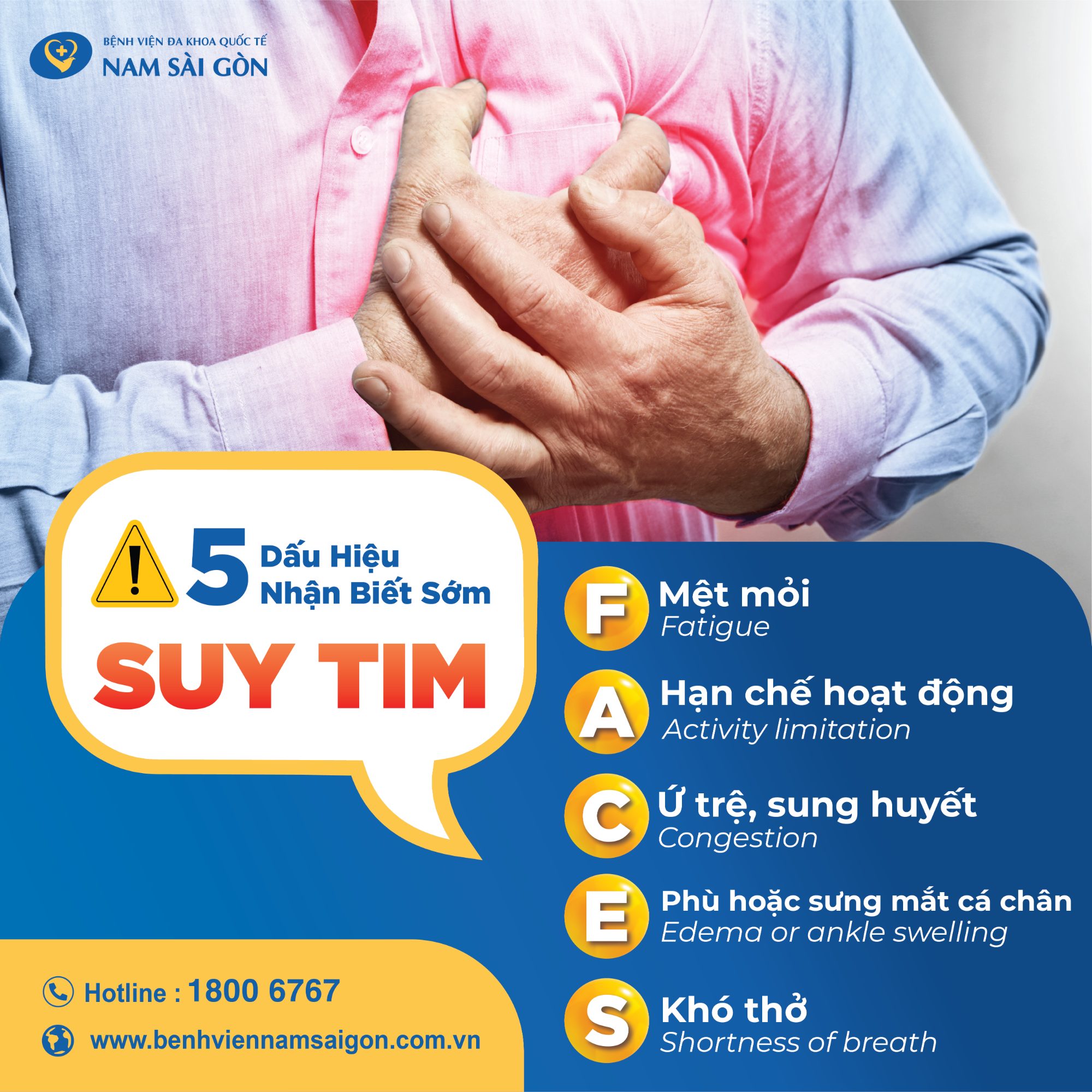
To help doctors and patients quickly recognize a possible combination of heart failure symptoms, the American Heart Failure Society has developed a useful tool known as the “FACES” acronym, which represents five key warning signs:
F (Fatigue) – Fatigue:
When the heart cannot pump enough oxygen-rich blood to meet the body’s energy needs, a common symptom is persistent fatigue. Patients may feel tired throughout the day and have difficulty performing daily activities such as shopping, climbing stairs, carrying groceries, or walking.
A (Activity limitation) – Activity limitation:
People with heart failure often find it difficult to carry out their usual activities because they become easily fatigued and short of breath.
C (Congestion) – Congestion:
Fluid buildup in the lungs can cause coughing, wheezing, and persistent shortness of breath. The cough may be accompanied by white mucus or pink, blood-tinged sputum.
E (Edema or ankle swelling) – Edema or ankle swelling:
When the heart is not strong enough to pump blood back from the lower extremities, fluid can accumulate, causing swelling in the ankles, legs, thighs, and abdomen. A noticeable sign is shoes feeling tighter than usual. Excess fluid may also lead to rapid weight gain.
S (Shortness of breath) – Shortness of breath:
Shortness of breath may occur during physical activity (most commonly), at rest, or during sleep, and it can appear suddenly and wake you up at night. You may experience difficulty breathing when lying flat and may need to elevate your upper body or sleep with two pillows. Patients often report waking up feeling exhausted, anxious, or restless.
This occurs because blood “backs up” in the pulmonary veins (the vessels that return blood from the lungs to the heart) when the heart cannot keep up with the body’s demands. As a result, fluid leaks into the lungs.
Fluid accumulation in the lungs makes it more difficult to exchange carbon dioxide for fresh oxygen in the blood. Shortness of breath may worsen when lying down because gravity causes fluid from the lower parts of the lungs to shift toward the upper lung regions.
In addition, people with heart failure may experience poor appetite, nausea, abdominal bloating, or stomach pain. This happens because the digestive system receives less blood, leading to digestive disturbances. You may also notice a rapid or irregular heartbeat or chest discomfort.
Older adults may be more likely to experience memory decline, confusion, or slowed thinking due to changes in blood electrolyte levels, such as sodium.
Always remember that the five warning signs above do not provide a definitive diagnosis of heart failure. However, they do indicate a possible risk, and you should seek medical attention promptly and consult a doctor for proper evaluation and advice.
Nam Sai Gon International General Hospital
No. 88, Street No. 8, Trung Son Residential Area, Binh Hung Commune, Ho Chi Minh City.
Hotline: 18006767
info@nih.com.vn
Last updated: 15:42 15/01/2026