ATOPIC DERMATITIS?
Atopic dermatitis, also known as atopic eczema, is a chronic skin condition that commonly causes itching, redness, and inflammation of the skin. The disease often occurs in individuals with a family history of allergic conditions (such as allergic rhinitis, asthma, or atopic dermatitis) and can affect people of all ages; however, it typically begins in early childhood.

Viêm da cơ địa thường gây ngứa ngáy, đỏ và viêm da
Atopic dermatitis occurs when the skin’s protective barrier is weakened, making the skin more sensitive to environmental irritants such as dust, chemicals, and contact allergens. This leads to dry skin, itching, and increased susceptibility to inflammation, creating a cycle of discomfort for affected individuals.
Causes of Atopic Dermatitis
The exact cause of atopic dermatitis has not yet been clearly identified; however, the following factors are believed to be involved:
-
Genetic factors:
Approximately 60% of adults with atopic dermatitis have children who also develop the condition. If both parents are affected, their child has up to an 80% risk of developing the disease.
-
Impaired skin barrier function:
Under normal conditions, the skin acts as a barrier against harmful environmental agents such as bacteria, viruses, and allergens. In individuals with atopic dermatitis, disruption of the connections between epidermal keratin fibers leads to damage of the skin barrier.
-
Immune system dysfunction:
The immune system of people with atopic dermatitis tends to overreact to allergens or environmental irritants. This exaggerated immune response releases inflammatory mediators, resulting in skin inflammation and irritation. This also explains why atopic dermatitis is often associated with other allergic conditions such as asthma and allergic rhinitis.
-
Environmental factors:
Exposure to allergens such as dry weather, dust, pollen, animal dander, and chemicals in cosmetics can worsen the condition.
What Are the Symptoms of Atopic Dermatitis?
The symptoms of atopic dermatitis can vary depending on the individual and the stage of the disease. In infants, atopic dermatitis commonly appears on areas such as the face, forehead, and skin folds, including the neck, groin, and behind the knees. In adults, atopic dermatitis most often affects the elbows, knees, and wrists, and the lesions are typically symmetrical.
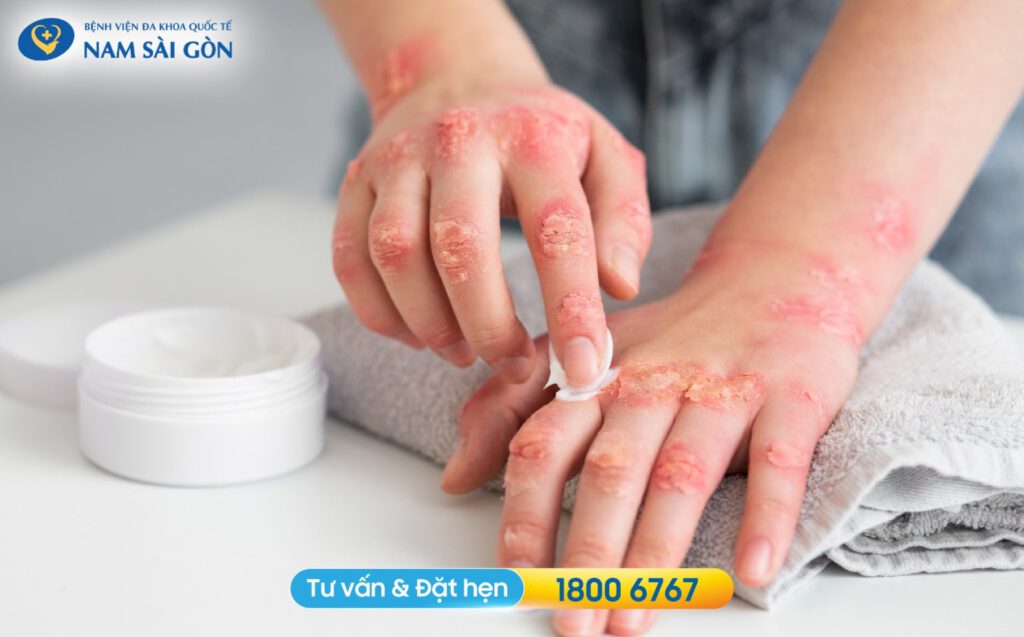
In adults, atopic dermatitis commonly appears on the elbows, knees, and wrists, and is usually symmetrical.
Common symptoms of atopic dermatitis include:
-
Dry skin:
One of the earliest signs of atopic dermatitis is dry, rough, and easily flaky skin, especially in areas frequently exposed to friction such as the elbows, knees, and wrists. Dry skin weakens the skin’s protective barrier, reduces its ability to retain moisture, and increases the risk of inflammation and itching.
-
Itching:
This is the most characteristic symptom of atopic dermatitis. The itching is often intense, tends to worsen in the evening, and can interfere with sleep. Scratching in response to itching may further damage the skin.
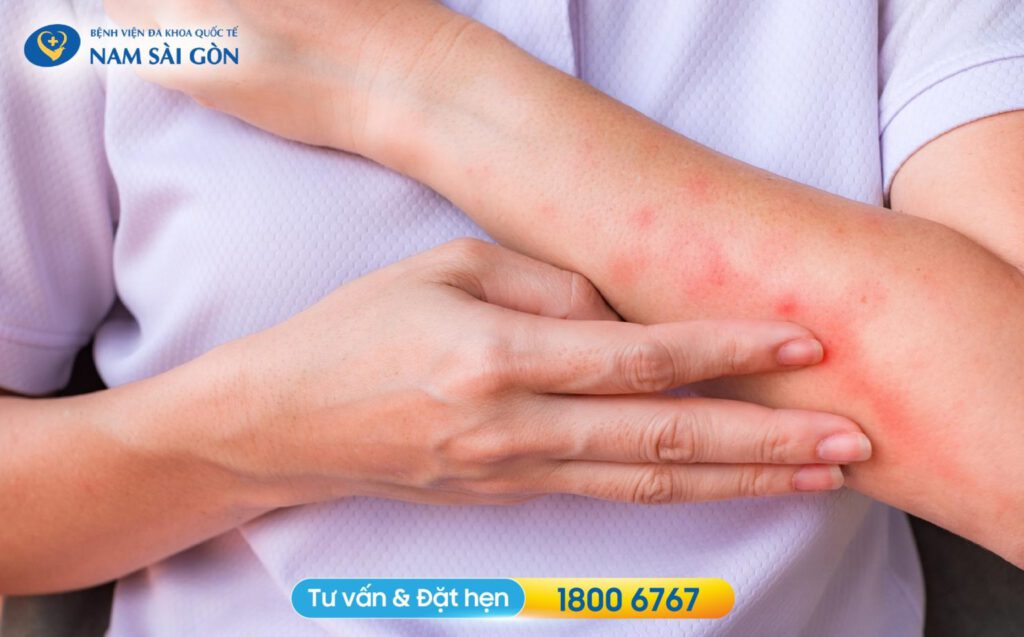
Itching is the most characteristic symptom of atopic dermatitis. The sensation is often very uncomfortable, typically worsening in the evening and causing sleep disturbances.
-
Redness:
In more severe cases, inflamed skin becomes red and swollen and may develop small blisters. The inflammation can spread and worsen if not treated promptly.
-
Skin thickening and cracking:
In chronic cases, the skin may become thickened (lichenification), forming rough, hardened patches and developing cracks. This is the result of prolonged scratching and repeated skin irritation.
Symptoms of atopic dermatitis can occur anywhere on the body. The affected skin may ooze fluid, weep, or bleed when scratched, making it more susceptible to infection. Persistent dryness and repeated scratching can cause the skin to thicken and harden. This creates a vicious cycle of itching and scratching, further activating the immune system and causing additional damage to the skin’s protective barrier.
| Common Sites Affected by Atopic Dermatitis |
-
Face: The cheeks and forehead, especially in infants.
-
Elbows: The flexural areas around the elbows are commonly affected.
-
Knees (popliteal area): Similar to the elbows, the skin folds behind the knees are prone to inflammation.
-
Neck: The neck area often becomes red and itchy.
-
Hands: The palms and fingers may become dry and cracked.
|
Is Atopic Dermatitis Dangerous?
Atopic dermatitis typically occurs in recurrent flare-ups followed by periods of improvement. Although it significantly affects quality of life, it is not life-threatening. However, if not properly treated and managed, the condition may lead to several complications, including:
-
Skin infections:
Atopic dermatitis causes damage to the skin barrier, making the skin more vulnerable to infections caused by bacteria, viruses, or fungi. Bacteria such as Staphylococcus aureus and other microorganisms from the environment or contaminated water can enter through scratch-induced skin lesions, leading to serious infections, and in severe cases, ulcers or abscesses if not treated promptly.
-
Psychological impact:
Persistent itching—especially at night—can disrupt sleep, resulting in insomnia and stress. Over time, this can significantly reduce quality of life and negatively affect work, school performance, and daily activities. In addition, visible inflamed skin lesions and scratch marks may cause low self-esteem, increasing the risk of anxiety and depression.
-
Increased risk of other allergic conditions:
Individuals with atopic dermatitis often have an allergic predisposition. Poor disease control may increase the risk of developing other allergic conditions such as asthma or allergic rhinitis. This is why atopic dermatitis is often considered part of the “atopic triad”, which includes atopic dermatitis, allergic rhinitis, and asthma.
Diagnosis of Atopic Dermatitis
The diagnosis of atopic dermatitis is usually based on the following criteria:
Medical history
The physician will review the patient’s history of allergic diseases, potential skin irritants, medications that have been used, the response to treatment, as well as relevant family medical history.
Clinical examination
The physician will directly examine the affected skin areas to identify characteristic signs of atopic dermatitis, such as dry skin, itching, redness, and inflammatory patches, as well as signs of secondary infection, bacterial superinfection, or fungal infection.
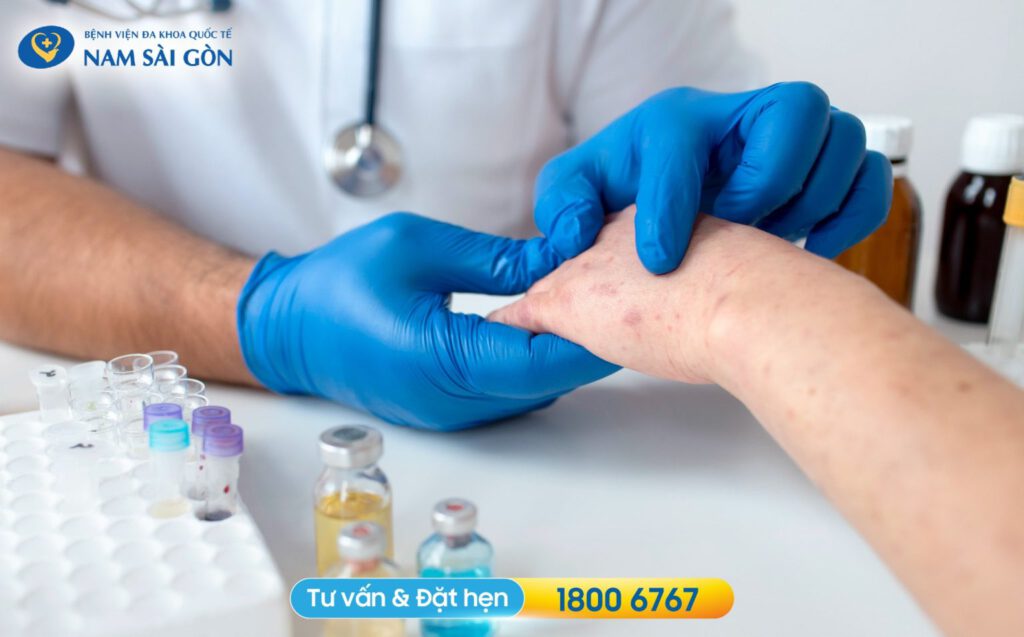
If you have symptoms suggestive of atopic dermatitis, you should see a dermatologist for evaluation and appropriate treatment recommendations.
Diagnostic Tests
In some cases, to identify potential causes of atopic dermatitis, the physician may order allergy-related tests such as blood tests or a skin biopsy (histopathology). These tests help identify possible allergens such as foods, pollen, medications, household dust, or chemicals that may worsen the condition.
-
Blood tests:
These may be performed to rule out other possible causes and to assess immune system function.
-
Skin biopsy (histopathological examination):
If necessary, the physician may request a skin biopsy, which involves taking a small sample of skin for microscopic examination. Although skin biopsy is not the primary method for diagnosing atopic dermatitis, it can help exclude malignant conditions such as skin cancer, precancerous lesions, or autoimmune skin diseases.
If you experience symptoms suggestive of atopic dermatitis, consult a dermatologist promptly for proper evaluation and personalized treatment advice.
Treatment of Atopic Dermatitis
The treatment of atopic dermatitis aims to relieve symptoms, prevent flare-ups, and improve the patient’s quality of life. Management requires a comprehensive care plan that combines medication use with lifestyle modifications. Treatment options include:
Moisturizers
Moisturizers are a cornerstone of atopic dermatitis treatment. Dry and dehydrated skin is a major cause of itching and increased skin sensitivity. Regular use of moisturizers helps restore the skin barrier, retain moisture, and reduce the risk of disease recurrence.
-
How to use: Apply moisturizer at least 2–3 times daily, especially after bathing, to keep the skin soft and well hydrated.
-
Product selection: Choose fragrance-free products that do not contain alcohol or strong irritants to avoid further skin irritation.
Topical Corticosteroids
Topical corticosteroids are commonly used to treat atopic dermatitis. They help reduce inflammation, relieve itching, and improve uncomfortable symptoms. However, their use must follow a physician’s prescription to ensure the appropriate type and strength. Topical corticosteroids are classified into seven potency groups, ranging from mild to very potent, to minimize side effects.
Note: Do not use topical corticosteroids for prolonged periods or in excessive amounts, as this may cause skin thinning, pigment changes, dilated blood vessels, and an increased risk of infection.
Oral Medications
In severe cases, physicians may prescribe oral antihistamines or immunosuppressive medications.
Phototherapy
This treatment uses narrowband ultraviolet (UV) light to reduce inflammation and prevent flare-ups of atopic dermatitis. However, light therapy may cause side effects such as premature skin aging or an increased risk of skin cancer if not carefully monitored.
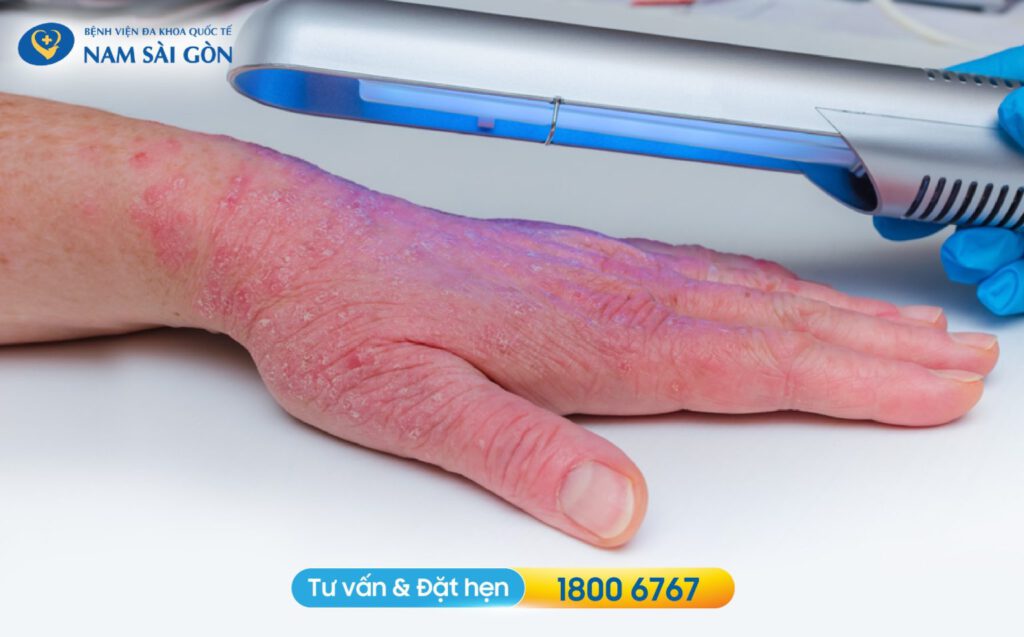
Phototherapy uses narrowband ultraviolet (UV) light to reduce inflammation and prevent flare-ups of atopic dermatitis.
Lifestyle Modifications
Avoid exposure to allergens, keep the skin well moisturized, and limit scratching when itching occurs due to atopic dermatitis.
Measures to Improve Atopic Dermatitis
Although atopic dermatitis is a chronic and recurrent condition, appropriate preventive measures can help control the disease and reduce flare-ups. The following strategies can effectively improve disease management:
Maintain a regular moisturizing routine
Consistent skin moisturization is the most important preventive measure for atopic dermatitis. Applying moisturizer at least twice daily, especially after bathing, helps maintain skin hydration and protect the skin barrier from irritants.
Avoid allergenic triggers
Certain environmental factors can trigger flare-ups of atopic dermatitis. Patients should actively avoid the following irritants:
-
Harsh chemicals: Avoid soaps, detergents, or cosmetics containing strong chemicals, fragrances, or alcohol.
-
Rough fabrics: Avoid clothing made from synthetic fibers or wool; instead, choose soft, breathable cotton fabrics.
-
Pollen, pet dander, and household dust: These are common allergens that can worsen the condition.
Maintain a clean living environment
A clean and well-ventilated living space helps reduce the risk of atopic dermatitis flare-ups. In particular, during summer or in hot and humid weather, keeping indoor temperatures cool can help alleviate itching and discomfort.
Dietary Adjustments
Diet also plays an important role in preventing and managing atopic dermatitis. Certain foods may trigger irritation and flare-ups, so patients should pay close attention to their diet:
-
Avoid allergenic foods:
Foods such as milk, peanuts, and seafood may cause allergic reactions in some individuals with atopic dermatitis. If you suspect that a particular food triggers symptoms, try eliminating it from your diet for a period of time and monitor for improvement.
-
Increase intake of omega-3–rich foods:
Fatty fish such as salmon and mackerel are rich in omega-3 fatty acids, which help reduce inflammation and improve skin health.
Stress Reduction
Stress is one of the factors that can trigger flare-ups of atopic dermatitis. Maintaining emotional well-being and practicing stress-reduction techniques such as yoga, meditation, or regular physical exercise can help improve disease control.
Nam Sai Gon International General Hospital accepts both national health insurance and private health insurance, providing patients with convenient access to medical care.
Nam Sai Gon International General Hospital