



ASTHMA – CAUSES, SYMPTOMS, DIAGNOSIS & TREATMENT
-
Author: BỆNH VIỆN ĐA KHOA QUỐC TẾ NAM SÀI GÒN
-
 19/04/2024
-
 1,113
1,113

Asthma is a condition in which your airways narrow and swell and may produce extra mucus. This can make breathing difficult and trigger coughing.

What Is Asthma?
Asthma (also known as bronchial asthma) is a chronic disease of the respiratory tract. The condition may recur repeatedly, especially during seasonal changes. If asthma progresses to a severe stage, it can become life-threatening without timely emergency treatment.
Let us explore the symptoms and treatment methods of asthma through the insights shared by Dr. Ha Tan Loc, Department of General Internal Medicine, Nam Sai Gon International General Hospital.
Causes of Asthma
Currently, the exact cause of asthma is not fully understood. However, research suggests that asthma may result from a combination of environmental factors and genetic predisposition. The body’s response to triggering factors leads to abnormalities in the airways, such as bronchial constriction, increased mucus secretion, and airway inflammation.
Asthma triggers vary among individuals and may include:
-
Upper respiratory tract infections caused by bacteria or viruses
-
Cold air
-
Dust, tobacco smoke, and airborne chemicals
-
Strong emotions and psychological stress
-
Physical exertion or exercise
-
Certain medications, such as beta-blockers, aspirin, ibuprofen, and naproxen
-
Specific foods and beverages, including shrimp, processed potato products, dried fruits, beer, and alcoholic drinks
-
Gastroesophageal reflux disease (GERD)
Common Symptoms in People with Asthma
One of the hallmark signs of asthma is an asthma attack, which includes symptoms such as episodic shortness of breath, wheezing during exhalation, and difficulty breathing—often occurring at night or during weather changes.
Other warning signs may include sneezing, runny nose, chest tightness, and a dry cough. In more severe attacks, patients may need to sit upright and support themselves with their arms, breathe with an open mouth, and experience attacks that are either sudden (paroxysmal) or continuous. As the attack subsides, shortness of breath gradually decreases, followed by coughing up clear, thick, sticky sputum.
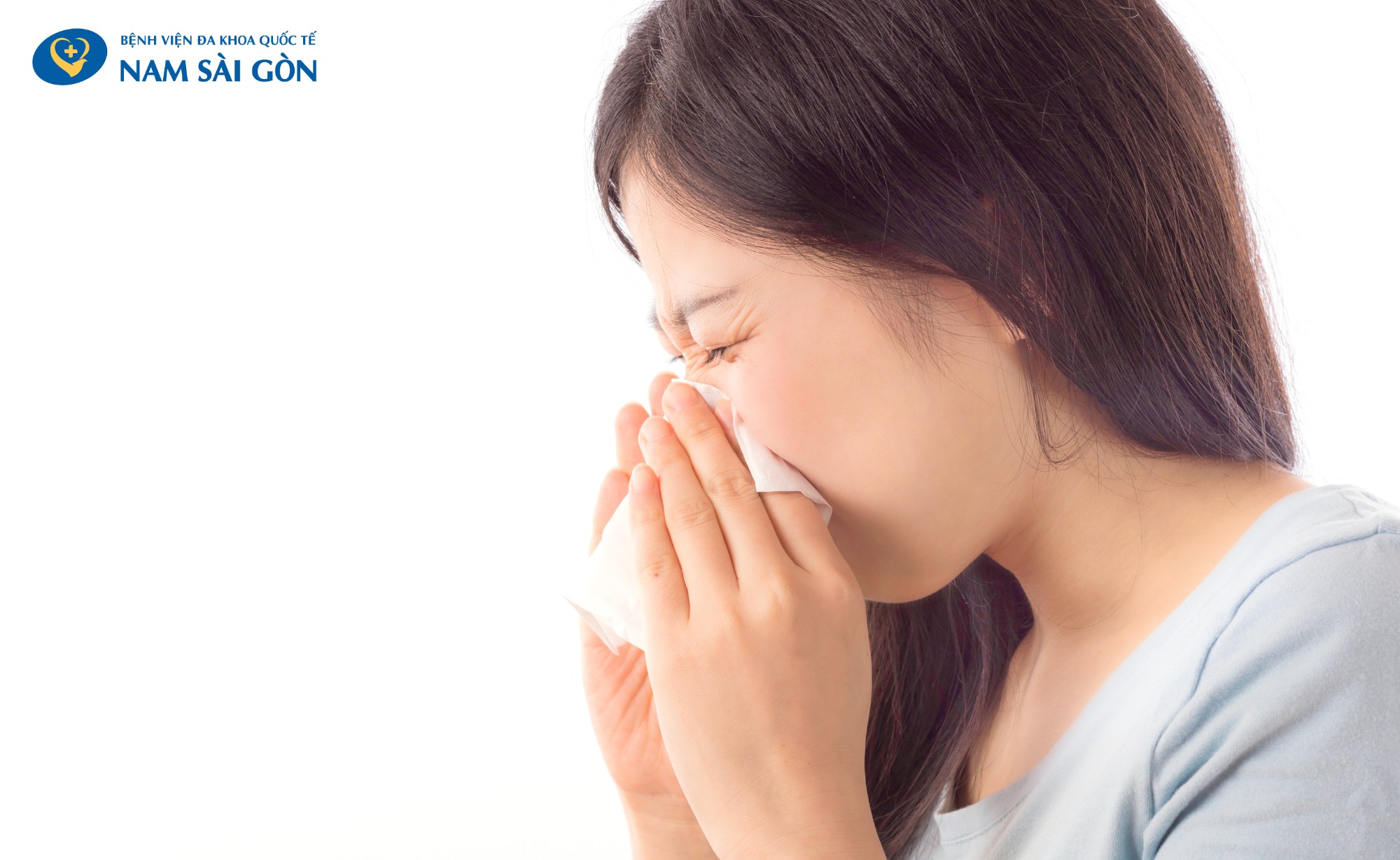
During an asthma attack, patients commonly experience symptoms such as sneezing, runny nose, chest tightness, and a dry cough.
As the disease progresses, asthma attacks may occur more frequently and symptoms of shortness of breath may become more severe. In such cases, patients should seek medical care promptly to avoid life-threatening complications.
Methods for Treating Asthma
The primary goals of asthma treatment are to prevent exacerbations and control symptoms.
1. Symptom control with medication:
-
Use of inhaled corticosteroids to reduce inflammation and swelling in the airways
-
Combination with long-acting beta-agonists to reduce the frequency and severity of acute asthma attacks
-
Quick-relief (rescue) medications should be readily available to prevent and manage sudden asthma attacks
2. Control of acute exacerbations:
-
Keep rescue inhalers readily available to ensure prompt treatment during asthma attacks
3. Use of safe herbal-based medications:
-
Herbal remedies may be used as supportive therapy to help control asthma symptoms
Methods for Preventing Asthma
-
Limit exposure to allergens such as dust, pet dander, and pollen. Keep the home clean and well-ventilated. Avoid keeping dogs, cats, or other pets indoors.
-
If a patient is allergic to specific foods, those foods should be avoided.
-
Prevent upper and lower respiratory tract infections.
-
Avoid excessive anxiety and stress.
-
Once diagnosed with bronchial asthma, patients should use caution when taking certain medications such as aspirin and non-steroidal anti-inflammatory drugs (NSAIDs), as these can trigger acute asthma attacks.
-
Be proactive about annual influenza vaccination and pneumococcal vaccination. Patients should also visit a respiratory specialist for assessment of disease severity and to receive an appropriate preventive treatment plan.

Limit exposure to allergens such as dust, animal dander, and pollen.
Pay attention to an increased frequency of using quick-relief inhalers, as this indicates that asthma is not well controlled.
Nam Sai Gon International General Hospital accepts National Health Insurance and Private Health Insurance, ensuring accessible and comprehensive healthcare services.
Nam Sai Gon International General Hospital
No. 88, Street No. 8, Trung Son Residential Area, Binh Hung Commune, Ho Chi Minh City.
Hotline: 18006767
info@nih.com.vn
Last updated: 10:52 17/01/2026